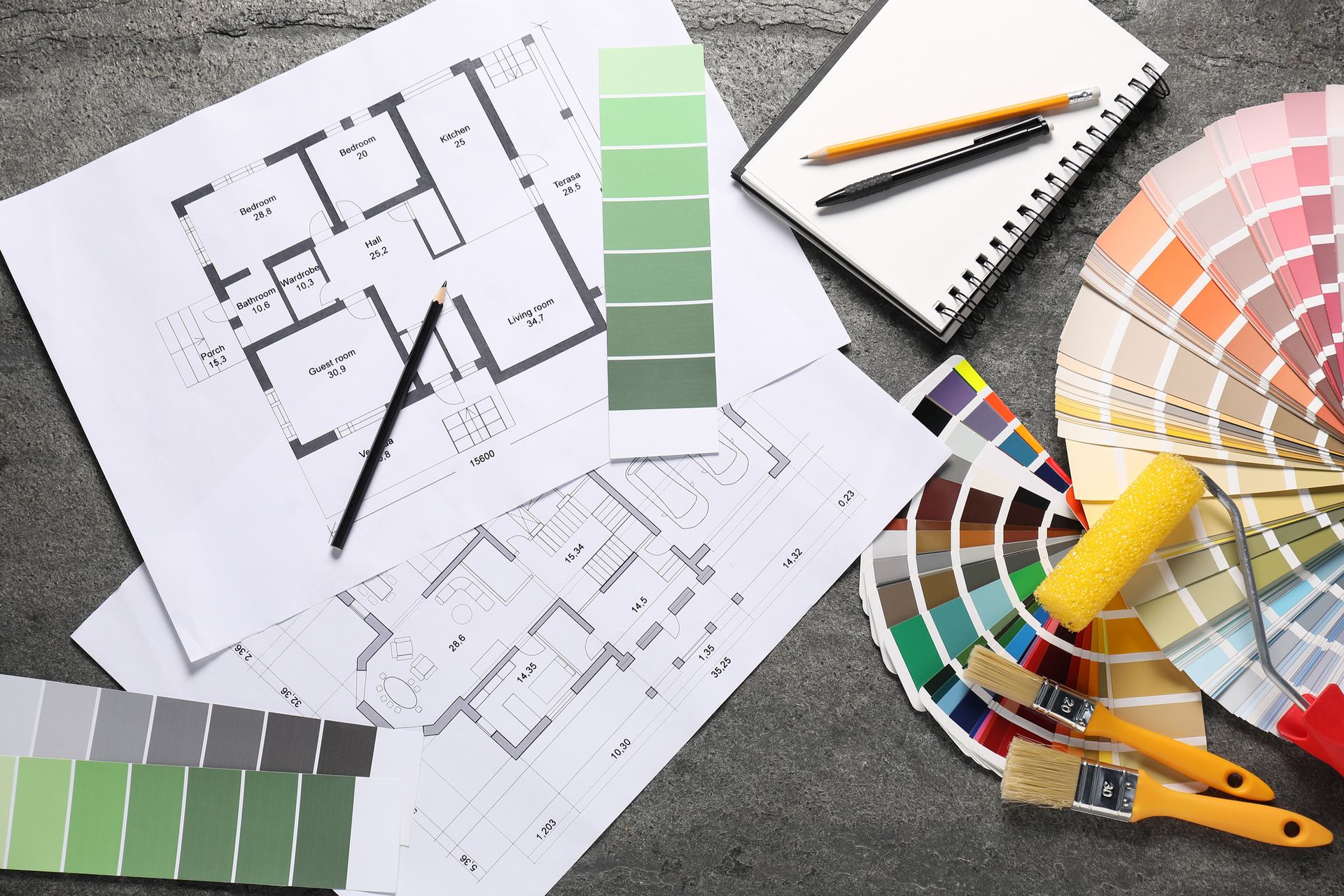
Many homeowners reach a point where their house no longer meets their needs. Maybe the kitchen feels cramped, the bathrooms are outdated, or your family simply needs more space. When that happens, the first thought is often to start looking for a new home. But moving isn't always the best solution. In many cases, remodeling your current home can be more affordable, less stressful, and more rewarding than relocating. Here are seven signs it may be time to renovate instead of move. 1. You're Running Out of Functional Space If your home feels crowded, it doesn't necessarily mean you need a new address. A home addition, basement finishing project, or room reconfiguration can create the extra space your family needs without the hassle of moving. Many homeowners are surprised by how much functionality can be added through smart remodeling. 2. Your Kitchen No Longer Works for Your Lifestyle The kitchen is often the heart of the home. If you're constantly struggling with limited storage, outdated appliances, or a poor layout, a kitchen remodel can dramatically improve daily life. Popular upgrades include: Larger kitchen islands Custom cabinetry Improved storage solutions Modern countertops Open-concept layouts A well-designed kitchen can make cooking, entertaining, and family gatherings much more enjoyable. 3. Your Bathrooms Feel Outdated Older bathrooms often lack the comfort and convenience homeowners want today. Signs it may be time for a bathroom remodel include: Insufficient storage Worn or outdated fixtures Poor lighting Lack of accessibility Water damage or aging materials Modern bathroom upgrades can improve both functionality and overall home appeal. 4. You Love Your Neighborhood One of the biggest reasons homeowners choose remodeling over moving is simple: they love where they live. If you're close to work, schools, family, or community amenities, moving may mean giving up a location you've spent years enjoying. Remodeling allows you to improve your home while staying in the neighborhood you already love. 5. Your Home Has Untapped Potential Many homes contain underutilized areas that can be transformed into valuable living space. Examples include: Unfinished basements Bonus rooms Attics Sunrooms Large garages These spaces can often be converted into home offices, guest rooms, entertainment areas, workout rooms, or additional family living space. 6. Moving Costs Keep Rising Buying a new home involves much more than a mortgage payment. Additional expenses often include: Realtor commissions Closing costs Moving services Utility transfers New furniture and upgrades For many homeowners, investing those funds into a renovation provides a better return and a more customized result. 7. You Want to Increase Your Home's Value Strategic remodeling projects can improve both your home's functionality and long-term value. Projects that homeowners commonly prioritize include: Kitchen renovations Bathroom remodeling Home additions Basement finishing Flooring upgrades Outdoor living spaces Even if you don't plan to sell anytime soon, these improvements can enhance your home's appeal and usability for years to come. Remodeling Can Be the Smarter Investment Moving may seem like the obvious answer when your home no longer fits your needs, but it isn't always the best one. Remodeling gives you the opportunity to customize your space, improve daily comfort, and potentially increase your home's value—all while staying in the place you already call home. At CS Renovations, we help Chattanooga-area homeowners transform their homes through kitchen remodeling, bathroom renovations, basement finishing, home additions, flooring installation, and more. Whether you're planning a single-room update or a whole-home transformation, our team is here to help bring your vision to life. Ready to explore your options? Contact CS Renovations today to schedule a consultation and discover what's possible for your home.

If you’re planning a home renovation in Chattanooga, you’re not alone. More homeowners than ever are choosing to upgrade their current homes instead of moving—focusing on comfort, functionality, and long-term value. At CS Renovations , we’ve seen firsthand how trends are evolving across kitchens, bathrooms, and full home remodels. Here are the top remodeling trends in 2026 that Chattanooga homeowners are loving. 1. Open-Concept Living Spaces Open floor plans continue to dominate—but with a twist. Homeowners now want: Defined zones within open spaces Better flow between kitchen, dining, and living areas Multi-functional layouts for entertaining and daily life Removing walls and reworking layouts is one of the most impactful upgrades you can make. 2. Modern Kitchen Upgrades The kitchen remains the heart of the home—and one of the best places to invest. Popular upgrades include: Large islands with seating Quartz countertops Custom cabinetry Smart appliances A kitchen remodel not only improves daily living but can significantly increase your home’s value. 3. Spa-Like Bathroom Designs Bathrooms are becoming more like personal retreats. Trending features: Walk-in tile showers Freestanding tubs Double vanities Warm, natural finishes These upgrades combine luxury with functionality—perfect for homeowners looking to elevate their space. 4. Home Additions for Extra Space Instead of moving, many homeowners are expanding. Common additions include: Extra bedrooms Home offices In-law suites Expanded living areas A well-planned addition can completely transform how your home works for your family. 5. Finished Basements Unused basements are being turned into valuable living space. Ideas include: Home theaters Guest suites Game rooms Workout areas Basement finishing is one of the most cost-effective ways to add square footage without building outward. 6. Durable, Low-Maintenance Flooring Flooring trends are shifting toward durability and easy maintenance. Top choices: Luxury Vinyl Plank (LVP) Tile flooring Engineered hardwood These options hold up well against pets, kids, and everyday wear—while still looking high-end. 7. Outdoor Living Spaces Outdoor upgrades are becoming just as important as indoor ones. Popular features: Covered decks and porches Screened-in patios Outdoor kitchens Ceiling fans and lighting In Chattanooga’s climate, outdoor living spaces can be enjoyed most of the year. Why Homeowners Are Remodeling Instead of Moving With rising home prices and interest rates, many homeowners are choosing to invest in their current home instead of buying a new one . Remodeling allows you to: Customize your space Avoid moving costs Increase property value Stay in a location you love Why Work With a Local Remodeling Contractor? Choosing a local expert like CS Renovations ensures: Knowledge of Chattanooga homes and building standards Clear, upfront pricing with no surprises High-quality craftsmanship and attention to detail A smooth, stress-free remodeling process CS Renovations specializes in kitchens, bathrooms, additions, basements, and more—helping homeowners bring their vision to life with confidence. Start Your Remodeling Project Today Whether you’re planning a small upgrade or a full home transformation, the right team makes all the difference. 👉 Contact CS Renovations today to schedule your consultation and take the first step toward upgrading your home. Final Thoughts Home remodeling in 2026 is all about functionality, comfort, and long-term value . By focusing on the right upgrades—and working with experienced professionals—you can create a space that fits your lifestyle today and for years to come.

For many homeowners, remodeling is about more than just improving how a home looks. It is also about making the space more functional, more comfortable, and potentially more valuable over time. A common question homeowners ask before starting any project is simple: do remodeling projects increase home value? The answer is yes - many remodeling projects can increase home value, but the impact depends on the type of remodel, the quality of the work, the materials used, and how well the update fits the home and local market. Some projects are more likely to improve resale appeal, while others are valuable because they make the home more enjoyable and more practical for everyday living. Why Remodeling Can Add Value A well-planned remodel can improve a home in several ways. It may increase functionality, update outdated finishes, improve flow, add usable space, or solve problems that buyers often notice right away. Even when a homeowner is not planning to sell immediately, remodeling can still be a smart long-term investment because it improves how the home works now while also making it more appealing in the future. Home value is not only about square footage. Buyers also pay attention to condition, layout, quality, and whether important spaces like kitchens and bathrooms feel updated and well maintained. A home with clean finishes, durable materials, and practical improvements often stands out more than one with older, worn, or less functional spaces. Which Remodeling Projects Add the Most Value? Not every project affects home value in the same way. Some remodeling projects tend to have broader appeal because they improve the rooms buyers care about most. Kitchen Remodeling Kitchens are often one of the biggest value-driving spaces in a home. An updated kitchen can improve function, storage, workflow, and visual appeal all at once. Features like new cabinets, durable countertops, updated flooring, backsplash tile, and a more practical layout can make the entire home feel more current and more livable. A kitchen remodel does not always need to be extreme to make an impact. In many cases, targeted improvements can make the space more attractive and more useful without changing everything. Bathroom Remodeling Bathrooms are another major area where remodeling can improve home value. Outdated bathrooms often stand out to both homeowners and buyers. Improvements such as new tile, upgraded vanities, better lighting, modern fixtures, improved storage, and walk-in showers can make a bathroom feel cleaner, more comfortable, and more functional. Even smaller bathroom updates can make a difference when they improve both style and usability. Basement Finishing Finishing a basement can increase the usable living space in a home, which can make the property more attractive to future buyers. A finished basement can serve many purposes, including a family room, home office, guest space, playroom, or entertainment area. When done well, a basement remodel turns underused square footage into a practical extension of the home. That added function can be a major advantage for homeowners who need more room without building an addition. Home Additions Home additions can add value because they increase the size and usability of the home. Adding a bedroom, bathroom, sunroom, bonus room, or expanded living area can improve comfort for current homeowners while also making the property more appealing in the long run. The key is making sure the addition feels like a natural part of the home. A well-integrated addition that matches the layout and design of the existing house is much more likely to support long-term value. Flooring Updates New flooring can have a surprisingly strong impact on how a home feels. Replacing worn carpet, damaged surfaces, or outdated materials with durable, attractive flooring can make the home feel cleaner, newer, and better maintained. Whole-home flooring updates can also help create a more cohesive look from room to room. While flooring alone may not transform the value of a home the way a kitchen or bathroom remodel can, it often plays an important role in the overall impression of the property. Finish Carpentry and Interior Details Trim, molding, built-ins, paneling, and other finish carpentry details can help a home look more polished and custom. These details may not always be the first thing people mention, but they contribute to the overall quality and appearance of the interior. A home with clean finish work and thoughtful details often feels more complete and better cared for, which can support both enjoyment and resale appeal. What Makes a Remodel More Valuable? There are several factors that influence whether a remodeling project is likely to improve home value. 1. Functionality Projects that solve real problems usually offer the strongest value. Better storage, improved layout, more usable square footage, updated bathrooms, and durable flooring all make a home easier to live in every day. 2. Quality of Work High-quality craftsmanship matters. Even a good idea can lose value if the finished work looks rushed, poorly planned, or out of place. Clean installation, durable materials, and attention to detail all help a remodel contribute more positively to the home. 3. Fit With the Home The best remodeling projects feel appropriate for the house. Updates should improve the home without making it feel disconnected from the rest of the property. A remodel that blends well with the home's style and layout is often more appealing than one that feels overdone or mismatched. 4. Material Choices Durable, practical materials often have broader long-term value than trend-driven choices that may not age as well. Homeowners usually benefit from selecting materials that balance appearance, maintenance, and long-term performance. 5. Local Buyer Appeal Some remodeling features have stronger appeal depending on the local area and the types of homes nearby. In many cases, updated kitchens, bathrooms, flooring, and functional added space tend to attract the most attention because they improve how a home works for everyday life. Is Remodeling Always About Resale? Not at all. One of the biggest mistakes homeowners make is thinking every project must be judged only by resale value. A remodel can still be worth doing even if it is not focused entirely on future buyers. Many projects create value by improving daily life right now. A more functional kitchen, a better bathroom layout, a finished basement, or added living space can make a home more enjoyable for years. That kind of personal value matters too. In many cases, the best remodeling projects are the ones that improve both everyday living and long-term appeal. How to Make Smarter Remodeling Decisions If your goal is to improve home value, it helps to focus on projects that combine function, durability, and broad appeal. Before starting a remodel, think about: What problems need to be solved Which rooms feel the most outdated Where better function would make the biggest difference Which updates will still look and perform well over time How the project fits the rest of the home A clear plan helps homeowners prioritize updates that make the strongest impact without spending money in ways that do not improve daily living or long-term value. Final Thoughts So, do remodeling projects increase home value? In many cases, yes. Projects like kitchen remodeling, bathroom renovations, basement finishing, home additions, flooring updates, and finish carpentry improvements can all contribute to a more functional, attractive, and valuable home. The biggest return often comes from projects that improve the way a home looks, feels, and functions while still fitting naturally with the rest of the property. Whether you are planning to sell in the future or simply want to enjoy your home more right now, smart remodeling decisions can create lasting value in more ways than one.
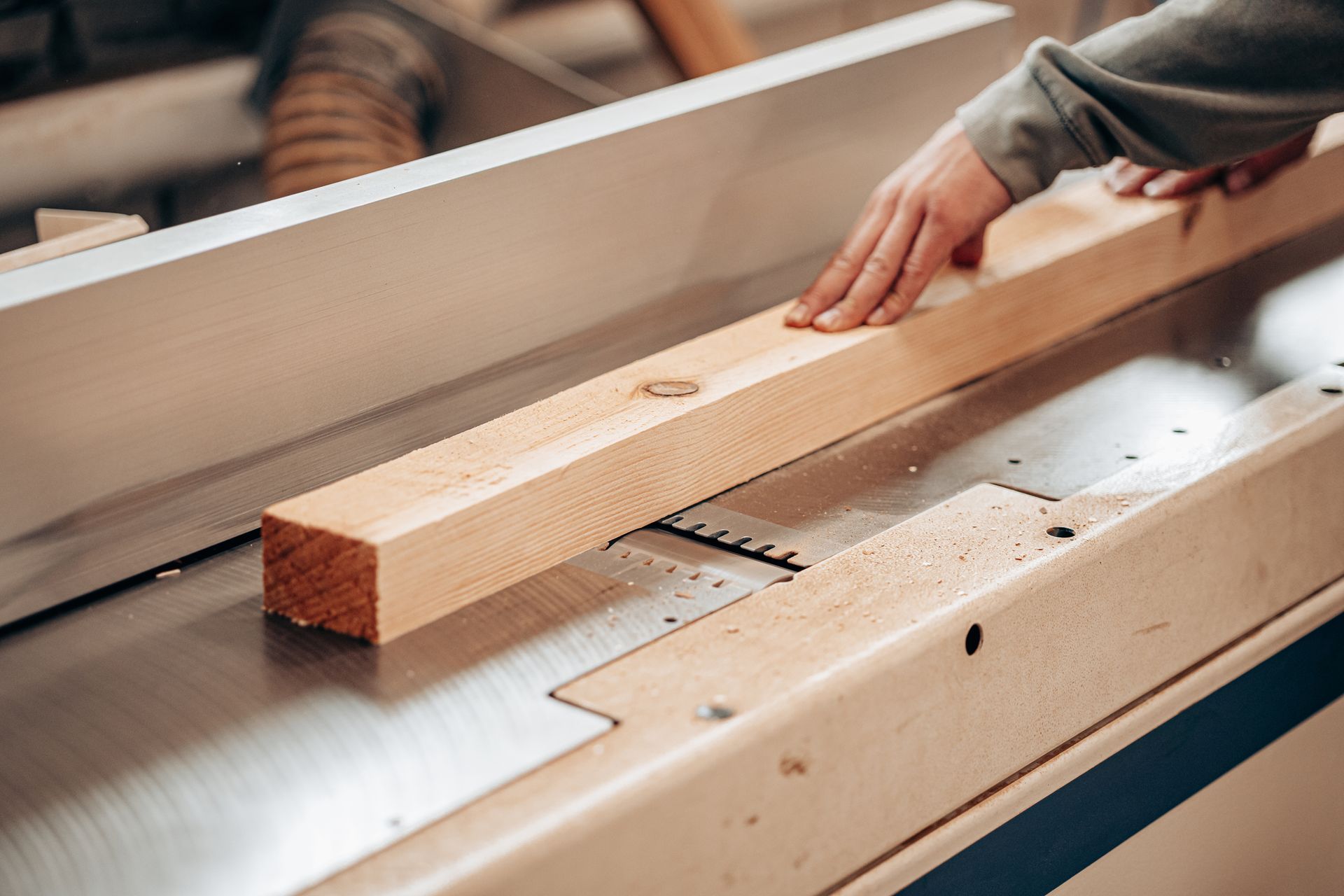
When it comes to creating a truly finished and refined interior, millwork makes a lasting impression. From detailed molding and custom paneling to built in cabinetry and architectural accents, millwork adds depth, style, and personality to your home. At CS Reno, we believe great craftsmanship is found in the details. Custom millwork is one of the most effective ways to elevate the look and feel of any space. What Is Millwork? Millwork refers to custom wood elements that are crafted and installed to enhance a home’s interior design. These pieces are typically created in a mill and then tailored to fit your space precisely. Common millwork features include: Crown molding and baseboards Wainscoting and wall panel systems Coffered and decorative ceilings Custom built ins and shelving Fireplace surrounds Window and door casings Millwork blends functionality with design, creating clean lines and architectural interest throughout your home. Why Millwork Matters Millwork does more than decorate a room. It defines the character of your home. Whether you prefer modern simplicity or traditional elegance, the right millwork can reinforce your design style and create a cohesive look from room to room. It also improves the overall quality and perception of your space. Well crafted millwork gives rooms a custom, high end appearance that stands out immediately. Custom Solutions for Every Space One of the greatest advantages of millwork is customization. Built in shelving can maximize storage in living rooms or home offices. Decorative wall paneling can add dimension to dining rooms or entryways. A custom fireplace surround can become a focal point that anchors the entire room. Because millwork is tailored to your home, it fits seamlessly and enhances both aesthetics and functionality. Increase Value and Long Term Appeal Quality millwork is an investment that adds lasting value. Potential buyers often notice the craftsmanship and architectural detail that custom woodwork brings to a home. Even subtle upgrades like upgraded trim profiles or paneled accent walls can significantly improve overall appeal. Beyond resale value, millwork enhances everyday living by creating a polished and thoughtfully designed environment. Craftsmanship You Can See Precision is essential in millwork. Clean joints, smooth finishes, and proper installation ensure that each piece looks flawless and performs well over time. At CS Reno, our team takes pride in delivering detailed craftsmanship that complements your home’s design and structure. If you are ready to add character, elegance, and custom detail to your space, contact CS Reno today. Let us help you bring your vision to life with professional millwork that transforms your home from ordinary to exceptional.
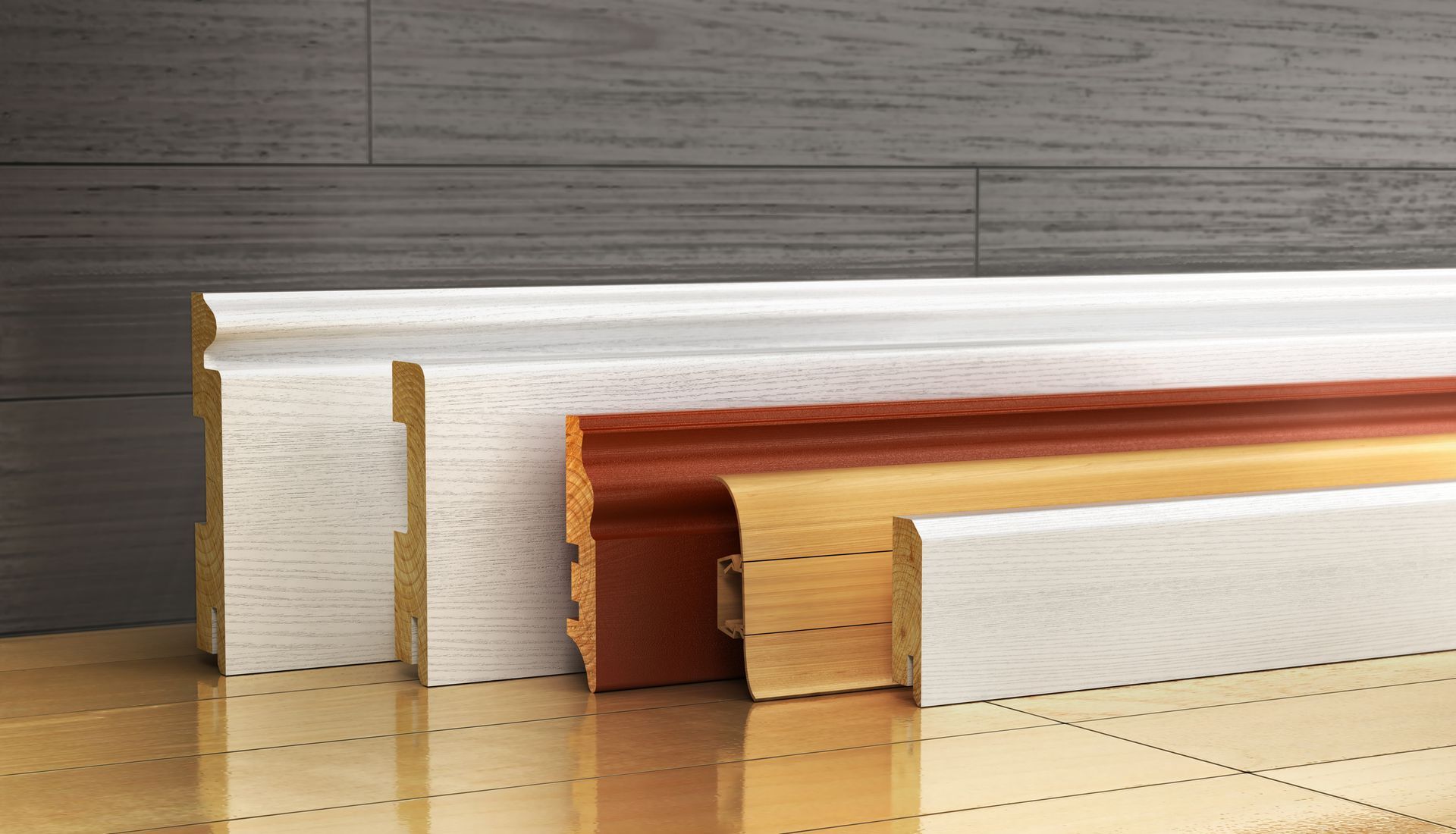
When it comes to home renovations, the details make all the difference. Trim carpentry is one of those finishing touches that can completely transform a space. From baseboards and crown molding to window casings and custom built ins, quality trim work adds character, depth, and craftsmanship to your home. At CS Reno, we understand that precise trim carpentry is what turns a good renovation into a great one. What Is Trim Carpentry? Trim carpentry focuses on the decorative and functional woodwork inside your home. Unlike rough framing, trim work is highly visible and requires careful attention to detail. Common trim carpentry features include: Baseboards and shoe molding Crown molding Door and window casings Wainscoting and wall paneling Coffered ceilings Custom shelving and built ins These elements frame your rooms, define architectural style, and create a polished, finished look. Why Trim Carpentry Matters Trim carpentry adds structure and sophistication to your interiors. Clean lines, smooth transitions, and well fitted corners enhance the overall appearance of your home. Even simple upgrades like updated baseboards or modern door casings can instantly refresh a space. Beyond aesthetics, trim also serves practical purposes. It protects walls from scuffs, conceals gaps between surfaces, and helps create seamless transitions between floors, ceilings, and walls. Add Character and Value Custom trim work can dramatically increase the visual appeal and perceived value of your home. Crown molding can make ceilings feel taller. Wainscoting can add dimension to dining rooms or entryways. Custom built ins provide both storage and style, giving your home a unique and tailored look. These upgrades not only improve your day to day living experience but also make your home more attractive to future buyers. Precision Makes the Difference Trim carpentry requires skill, accuracy, and a sharp eye for detail. Every cut, joint, and corner must align perfectly to achieve a seamless finish. At CS Reno, our experienced team takes pride in delivering craftsmanship that enhances your home’s design while ensuring durability. We work closely with homeowners to select styles and materials that complement the architecture and overall vision of the space. Complete the Look of Your Renovation Whether you are remodeling a single room or updating your entire home, professional trim carpentry brings everything together. It is the finishing touch that gives your renovation a refined and cohesive feel. If you are ready to elevate your interior with custom trim work, contact CS Reno today. We are here to help you add lasting beauty, character, and craftsmanship to your home.
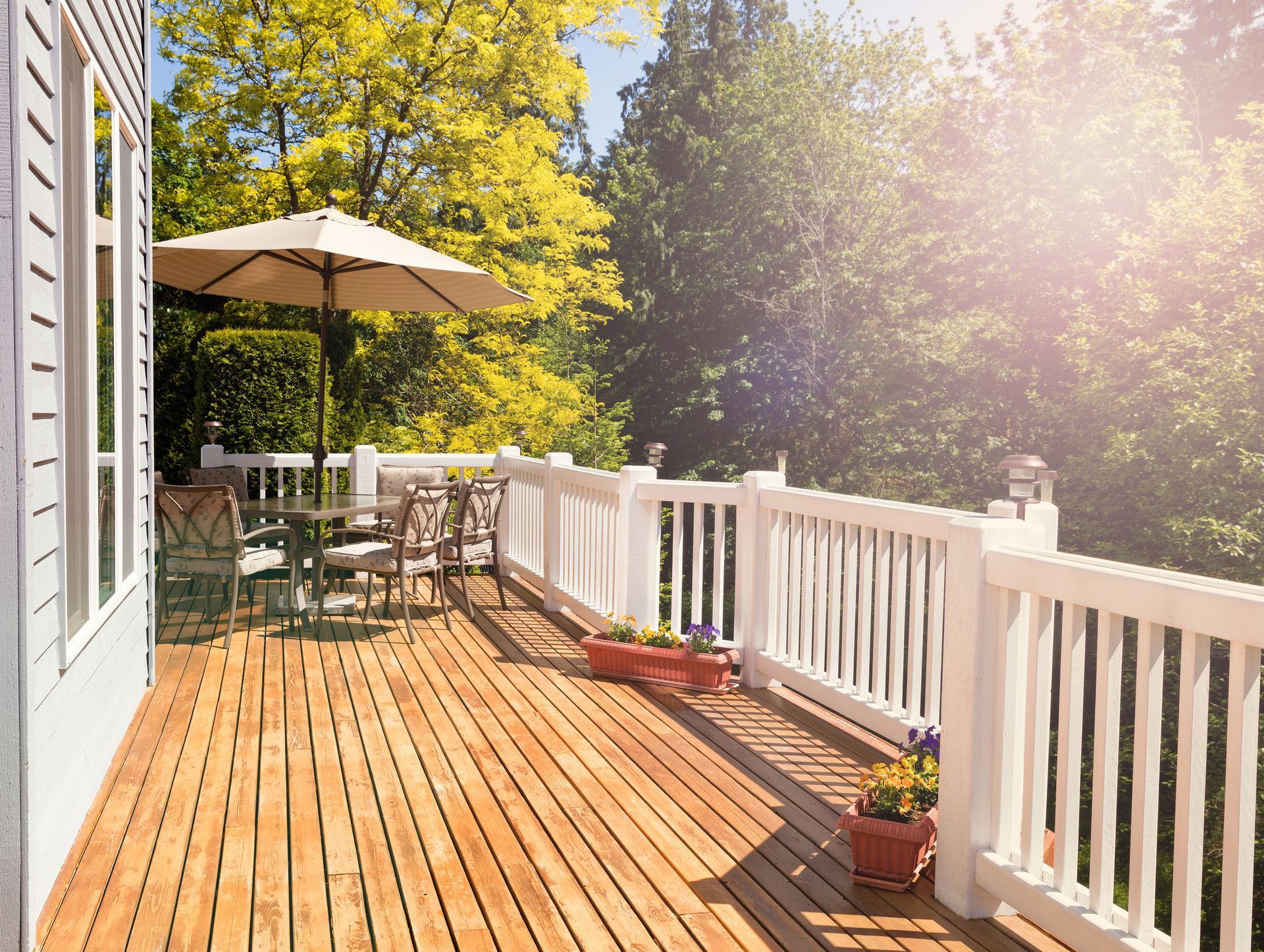
A deck is more than just an outdoor addition. It is a space where you relax, entertain, and enjoy fresh air with family and friends. Whether you are sipping morning coffee, hosting summer barbecues, or simply unwinding after a long day, a well-built deck adds comfort, style, and value to your home. Why a Deck Is a Great Investment Adding a deck can increase your living space without the cost of a full room addition. It creates a natural transition between indoor and outdoor areas, encouraging you to make the most of your backyard. Decks also boost curb appeal and can increase your property’s market value when properly designed and constructed. A deck is a versatile space that adapts to your lifestyle. You can use it for dining, lounging, gardening, or even creating an outdoor kitchen. Designing your deck to suit how you live means you get more enjoyment out of every season. Design Features That Make a Difference When it comes to deck design, options are nearly endless. Some popular features include: Multi-level layouts that define different use areas Built-in seating for comfort and convenience Pergolas or shade structures for sun protection Lighting and electrical outlets for evening enjoyment Durable decking materials that stand up to weather and traffic Whether you want a simple, classic deck or a more elaborate outdoor space, working with professionals ensures your project is both beautiful and functional. Choosing the Right Materials Selecting the right decking material is key to longevity and maintenance. Traditional wood offers natural beauty, while composite decking provides low maintenance and long life. Each material has its own look and benefits, and a trusted contractor can help you choose based on your budget, style preferences, and climate. At CS Reno, we guide you through material options so you can make confident decisions that fit your needs. Built to Last A deck is only as good as its construction. Proper planning, quality materials, and expert installation help ensure your deck stands up to weather and wear over time. From secure footings and support beams to smooth, level boards and secure railings, attention to detail during construction makes all the difference. Our team handles every step of the process with care and professionalism, so you can enjoy a durable outdoor space with minimal worry. Enjoy Your Outdoor Space Year Round A deck extends your home’s living space and encourages you to spend more time outdoors. With the right design, your deck becomes a favorite spot for gatherings, quiet moments, and everyday life. Ready to transform your backyard? Contact CS Reno to learn more about custom deck design and installation. We help homeowners build outdoor spaces that feel inviting, functional, and built to last. Let’s create a deck that enhances your home and enriches your lifestyle.
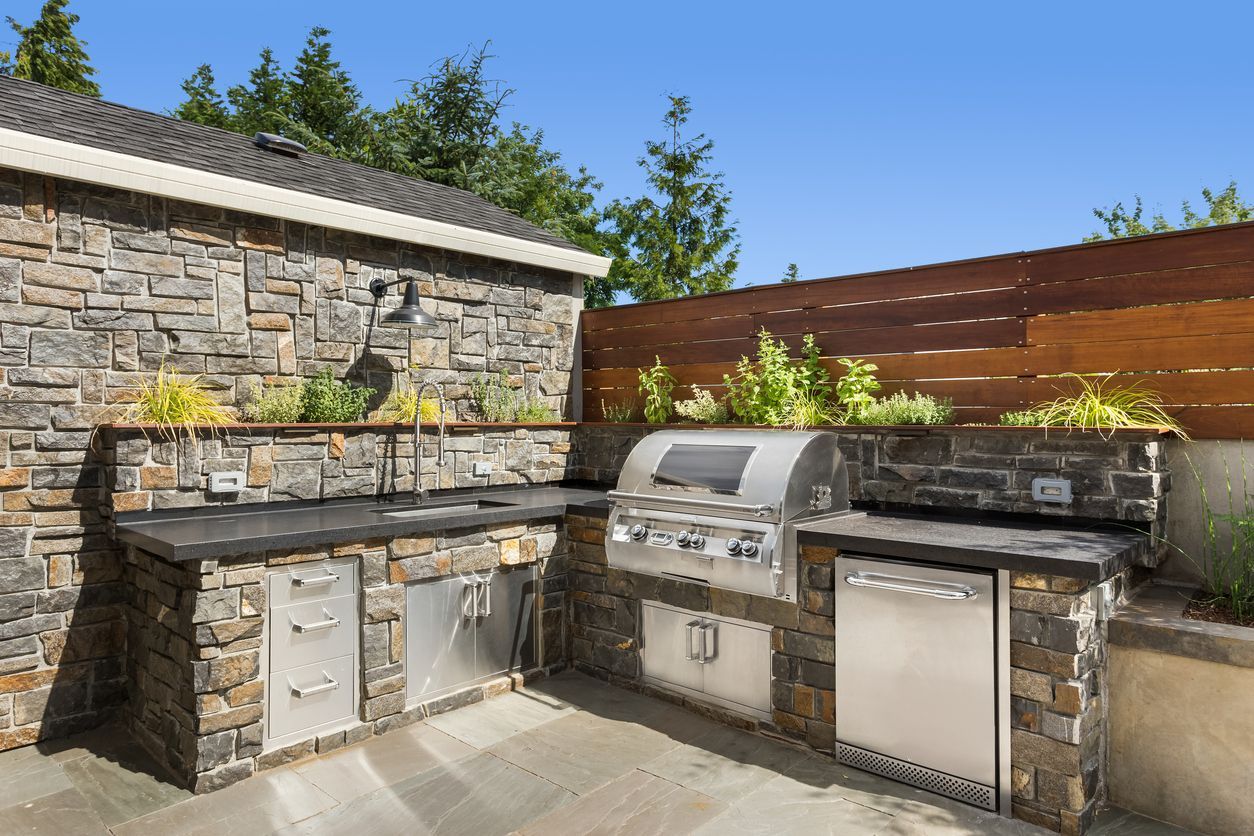
If you love spending time outdoors and enjoy hosting friends and family, an outdoor kitchen might be the perfect addition to your home. More than just a grill on the patio, a custom outdoor kitchen creates a functional and inviting space that extends your living area into the fresh air, enhances your lifestyle, and adds real value to your property. Why Outdoor Kitchens Are Worth It Outdoor kitchens are growing in popularity because they bring a host of benefits to your home and daily life. These outdoor spaces expand your living area, giving you room to cook, dine, and entertain without being confined indoors. Whether you imagine weekend barbecues, summer dinner parties, or quiet mornings with coffee in the backyard, an outdoor kitchen creates a natural gathering spot your whole family will love. An outdoor kitchen is also an investment that can boost your home’s value. Homebuyers increasingly look for outdoor living features, and a well-designed kitchen space can make your property stand out when it comes time to sell. Design for Function and Style A custom outdoor kitchen can be tailored to your lifestyle and space. Some popular features include built-in grills, refrigeration, sinks, prep counters, bar seating, and storage cabinets. Whether you want a compact layout for a cozy backyard or a full-featured kitchen for serious entertaining, the design possibilities are extensive. Working with a professional remodeling team helps ensure your outdoor space is practical, durable, and visually cohesive with your home’s architecture. Carefully chosen materials, appliances, and lighting not only improve functionality but also enhance the overall aesthetic of your backyard. Expand Your Living Space Outdoor kitchens do more than improve your backyard’s look. They encourage you and your family to spend more time outside, enjoy good food, and make memories together. Adding seating and dining areas turns your backyard into a complete entertainment zone where meals, conversations, and celebrations can happen with ease. With strategic planning, your outdoor kitchen can become the heart of your home’s exterior space — a place where comfort, convenience, and style come together seamlessly. Ready to Get Started? At CS Reno , we help homeowners bring outdoor living dreams to life. From initial design to final installation, our experienced remodeling team ensures your outdoor kitchen is beautiful, functional, and built to last. Contact us today to learn more about designing an outdoor kitchen that fits your home and lifestyle. Let’s create a space you’ll enjoy now and for years to come.

Starting a home renovation is exciting, but choosing the wrong contractor can quickly turn it into a stressful experience. The right team will protect your budget, keep the project moving, communicate clearly, and deliver results you can be proud of. At CS Renovations , we believe homeowners deserve a smooth renovation process from start to finish. Here is our guide to choosing the right contractor for your next project. 1. Start With Clear Goals (Before You Call Anyone) Before hiring a contractor, take a few minutes to outline what you want. Ask yourself: What rooms are being renovated? Are you updating for comfort, style, resale value, or all three? What is your ideal timeline? What is your realistic budget range? Having clear goals helps contractors give accurate estimates and helps you compare options more fairly. 2. Look for Experience That Matches Your Project Not all contractors specialize in the same type of work. A contractor who is great at decks may not be the best fit for a full kitchen remodel. When researching, look for projects similar to yours, such as: Kitchen renovations Bathroom remodels Basement finishing Whole-home renovations Flooring, painting, and trim upgrades At CS Renovations, we focus on quality craftsmanship and practical design solutions that fit your home and your lifestyle. 3. Check Reviews and Ask for References Online reviews can tell you a lot about how a contractor treats their customers. Look for consistent feedback on: Communication and responsiveness Cleanliness and respect for the home Timeliness and scheduling Quality of workmanship How issues were handled Even better, ask for references and questions like: Did the final cost match the estimate? Was the crew professional and respectful? Would you hire them again? 4. Confirm Licensing, Insurance, and Permits This step is a must. A reputable contractor should be able to confirm: Proper licensing (if required in your area) General liability insurance Workers' compensation coverage Permit handling for the job (when needed) Permits are not just paperwork. They protect you, your home, and the long-term value of your renovation. 5. Ask About the Process (Not Just the Price) Price matters, but the process matters more. When meeting a contractor, ask: Who will be my main point of contact? How often will I get updates? What is the expected timeline? What happens if we find unexpected issues? How are changes handled once work starts? At CS Renovations, we prioritize clear communication, honest expectations, and a plan you can trust. 6. Get a Detailed Written Estimate A professional estimate should not be vague. It should include: Scope of work (what is included and what is not) Material allowances (cabinets, flooring, fixtures, etc.) Labor details Payment schedule Project timeline Warranty information If the estimate is only one number on a page, that is a red flag. 7. Watch for Red Flags Trust your instincts. Some warning signs include: Pressure to make a decision immediately No written contract Extremely low pricing compared to others Poor communication early on Asking for full payment upfront Unclear timelines or vague answers A renovation is a major investment. You deserve a contractor who makes you feel confident, not rushed. 8. Choose the Contractor You Trust (Not Just the Cheapest) The best contractor is not always the lowest bid. The right contractor will: Listen to your goals Provide honest guidance Communicate clearly Respect your home Deliver quality work that lasts When you choose CS Renovations, you are choosing a team that values craftsmanship, transparency, and a job done right.
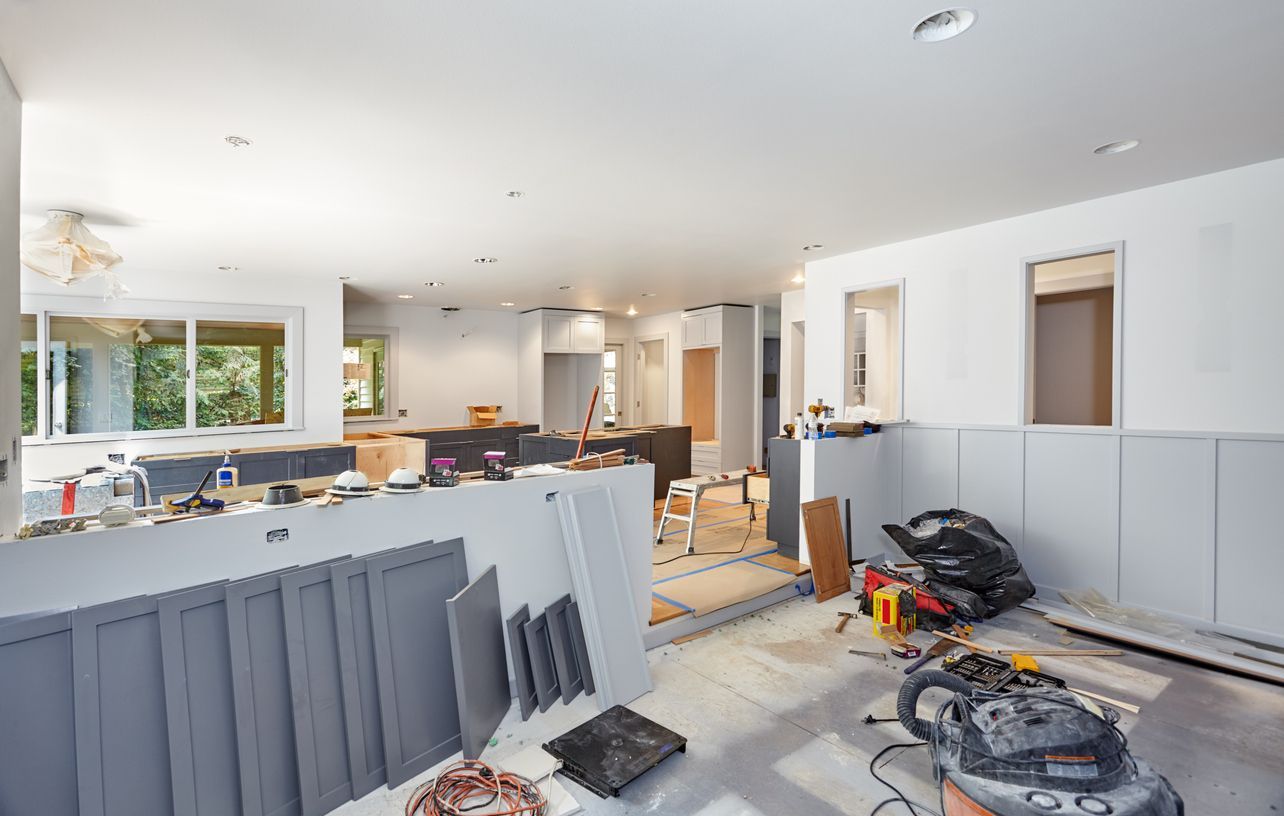
Home renovation trends change every year as new design ideas, technologies and lifestyle needs evolve. Whether you are planning a full remodel or just updating parts of your home, knowing what is trending can help you make choices that feel fresh and offer long lasting value. Here are the top home renovation trends for this year. 1. Open and Flexible Layout More homeowners are choosing open and flexible floor plans that adapt to different activities. Removing non structural walls, combining kitchen and living areas, or creating multifunctional spaces makes homes feel larger and more connected. Flex spaces can serve as a home office, school area or workout zone as needs change. 2. Eco Friendly and Energy Efficient Upgrades Sustainable renovations continue to be a priority. Energy efficient windows, better insulation, tankless water heaters and high efficiency HVAC systems help lower utility bills and reduce environmental impact. Using responsible materials like reclaimed wood or recycled tile also adds character and sustainability to your space. 3. Smart Home Features Smart home technology is being integrated into renovations for convenience and efficiency. Programmable thermostats, automated lighting, smart locks and voice controlled systems give homeowners more control and can improve energy management. 4. Modern and Durable Flooring Options Flooring that is both stylish and durable remains in demand. Engineered wood delivers the warmth of hardwood with more resistance to moisture. Luxury vinyl plank is popular for its affordability, wide range of looks and ease of maintenance. Tile options with natural textures and muted tones are also trending. 5. Bold Yet Calm Color Palettes Color trends this year lean toward tones that create a calm but modern feel. Warm neutrals, soft greens, muted blues and earthy hues make rooms feel inviting without overpowering them. Accent walls and two tone cabinets can add visual interest while maintaining balance. 6. Spa Inspired Bathrooms Bathrooms are becoming personal retreats. Walk in showers with rainfall heads, floating vanities, large format tiles and integrated seating create a spa like atmosphere. Freestanding tubs continue to be a focal point where space allows. 7. Kitchen Upgrades for Function and Style The kitchen remains a major renovation focus. Trends include two tone cabinetry, larger kitchen islands with seating, hidden storage solutions, and integrated appliances that blend into the design. Durable surfaces like quartz countertops are popular for both beauty and performance. 8. Outdoor Living Enhancements Homeowners are expanding living spaces outdoors. Covered patios, outdoor kitchens, fire pits, and comfortable seating areas make backyards extensions of the home. Weather resistant materials and lighting help create spaces you can enjoy year round. Conclusion This year is all about blending style, comfort, technology and sustainability in home renovations. Whether you plan small updates or a larger remodel, consider how these trends can enhance your home now and in the years ahead.
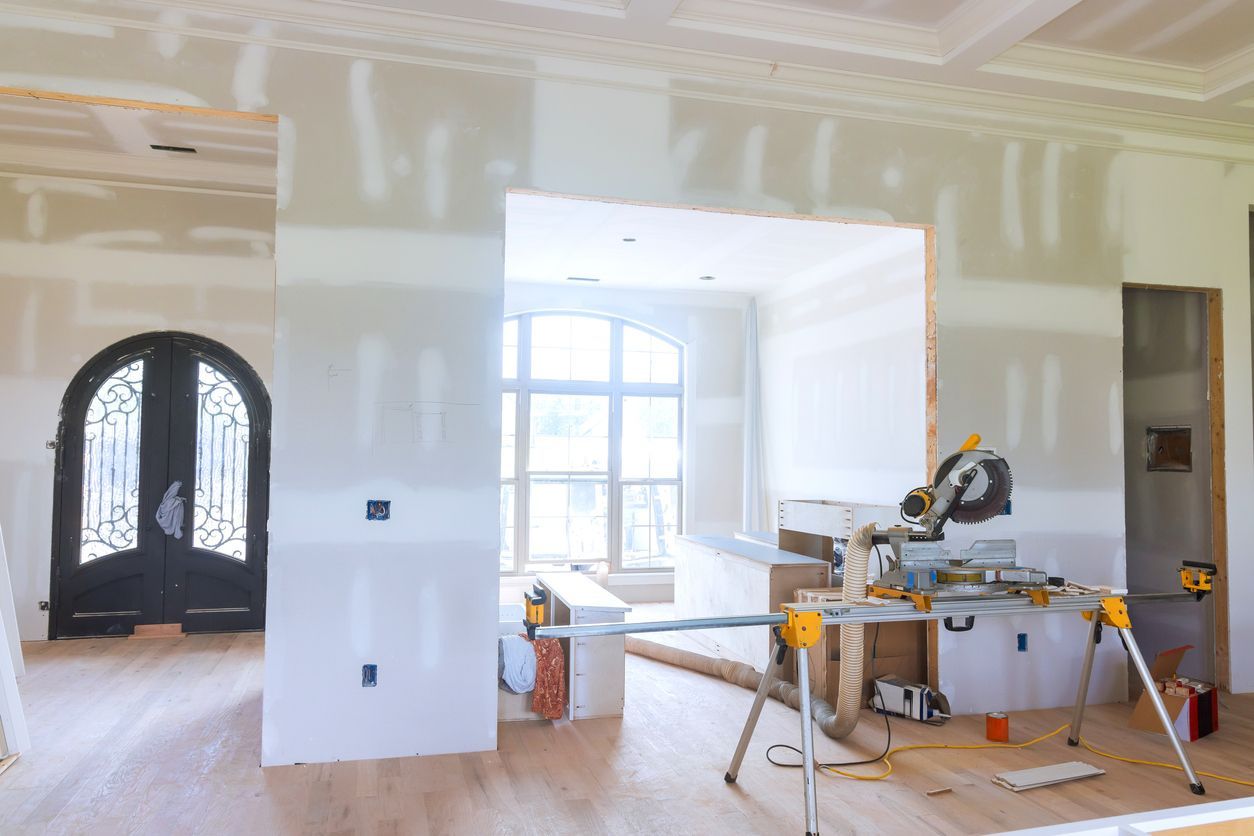
When planning a home renovation, one of the first decisions homeowners face is whether to tackle the project themselves or hire a professional renovation company. Both options have advantages and drawbacks, and the right choice depends on the scope of work, budget, timeline, and risk tolerance. This guide breaks down what homeowners should know before deciding between DIY and professional renovation. Understanding DIY Renovation DIY renovation involves completing some or all of the work yourself, often with help from friends or family. Many homeowners choose this route to save money or take pride in hands on projects. Pros of DIY Renovation Lower upfront labor costs Greater personal control over small design details Flexibility to work at your own pace Sense of accomplishment for completed projects Cons of DIY Renovation Steep learning curve for complex work Higher risk of mistakes and rework Limited access to professional tools and materials Potential safety hazards Projects often take longer than expected DIY renovations are usually best for cosmetic updates like painting, installing hardware, minor tiling, or simple landscaping projects. Understanding Professional Renovation Professional renovation involves hiring licensed and insured contractors to manage and complete the work. This option is often chosen for larger, more complex projects. Pros of Professional Renovation Expert planning and execution Faster project timelines Proper permits and code compliance Access to quality materials and skilled trades Reduced stress and decision fatigue Warranties and accountability Cons of Professional Renovation Higher upfront cost Less day to day control over scheduling Requires trust and clear communication Professional renovation is ideal for kitchens, bathrooms, structural changes, additions, electrical work, plumbing, and whole home renovations. Cost: DIY vs Professional DIY projects often appear cheaper, but costs can add up quickly. Tools, materials, mistakes, and time off work should all be considered. Professional renovations cost more upfront but can prevent expensive errors and increase long term value. In many cases, professionally completed renovations provide a better return on investment, especially for projects tied to resale value. Time and Project Management DIY renovations frequently take longer due to limited availability, lack of experience, and unexpected issues. Professional contractors work on set schedules with coordinated trades, which helps keep projects on track. If time is a priority, hiring professionals usually results in faster completion. Safety and Code Compliance One of the biggest risks of DIY renovation is safety. Electrical, plumbing, and structural work can be dangerous and must meet local building codes. Mistakes can lead to failed inspections, insurance issues, or costly repairs later. Professional renovation companies understand regulations, secure permits, and ensure work is completed safely and correctly. When DIY Makes Sense DIY renovation may be a good option if: The project is small and cosmetic You have the necessary skills and tools There is little risk to safety or structure You have flexibility with time and budget When to Hire a Professional Hiring a professional renovation company is recommended if: The project involves structural changes Plumbing or electrical work is required Permits and inspections are needed You want predictable timelines and costs Long term value and quality matter Finding the Right Balance Many homeowners choose a hybrid approach by handling simple tasks themselves while leaving complex work to professionals. This can help control costs while ensuring critical elements are done correctly. Final Thoughts Choosing between DIY and professional renovation is not just about cost. It is about safety, quality, time, and long term value. Understanding the risks and benefits of each option helps homeowners make confident decisions that lead to successful renovations. If you are unsure which approach is right for your project, a consultation with a professional renovation company can help clarify your options and prevent costly mistakes.
